
Texas law allows your neighbour to claim part of your land if you have not been paying attention for ten years.
That is not a metaphor. Texas Civil Practice and Remedies Code § 16.026 — the ten-year statute of limitations on adverse possession claims — establishes that a person who uses someone else’s real property openly, continuously, and exclusively for at least ten years can perfect title to that property through a court action. The statute is real, the case law applying it is substantial, and the people most exposed to it are absentee owners of Texas rural acreage who have not inspected their property in over a decade.
If you own Texas land that you have not visited in years, this guide is for you. It explains what adverse possession actually is under Texas law, why absentee-owner adverse possession claims succeed more often than people realise, what the practical exposure looks like for typical absentee landowners, and why a direct cash sale to Sell Land converts an uncertain asset into a definite dollar amount before any complication on the title becomes someone else’s claim.
What Adverse Possession Actually Is Under Texas Law
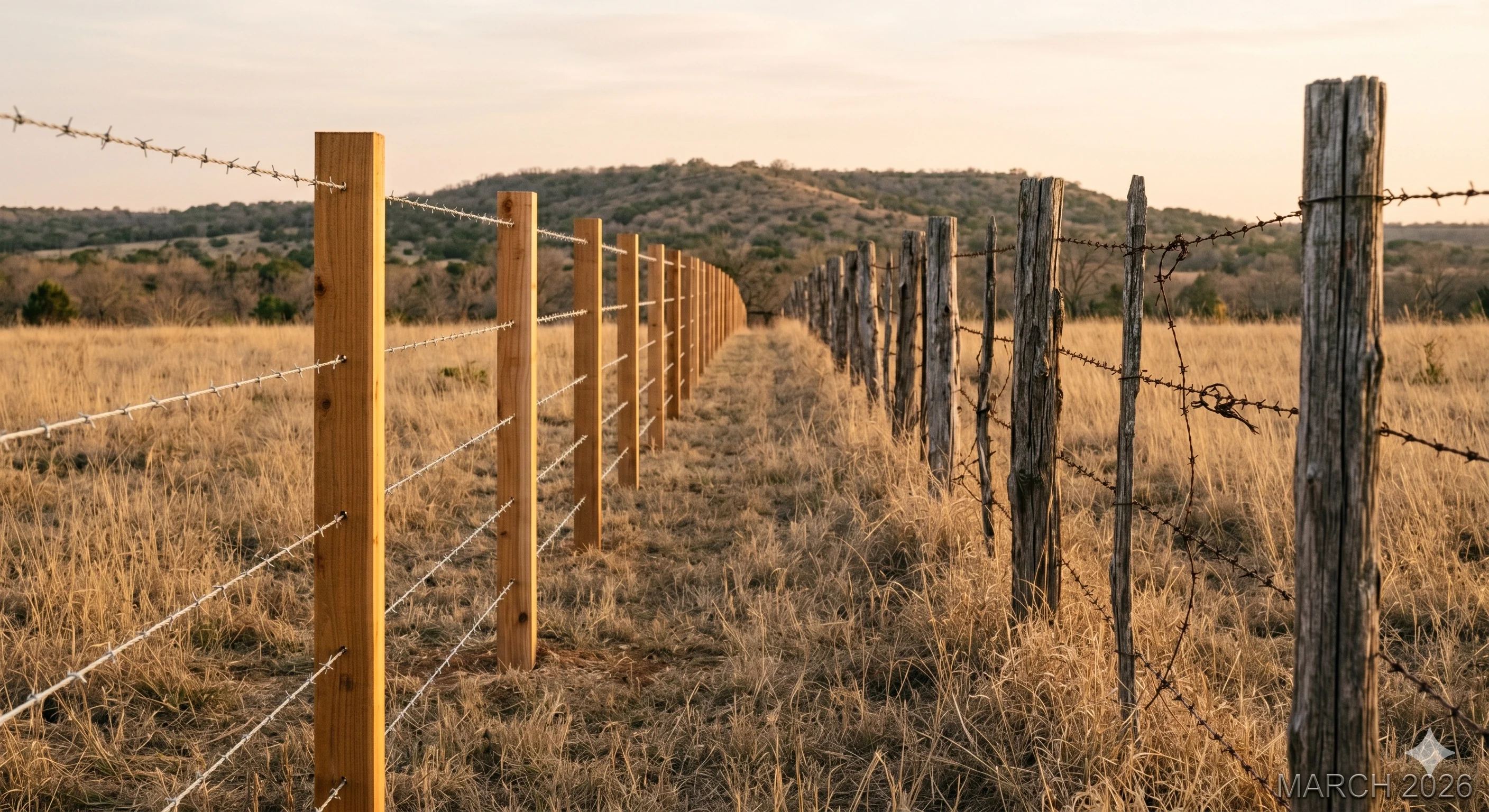
Adverse possession is a doctrine in property law that allows a non-owner who uses another person’s real property openly and continuously for a statutory period to perfect legal title to that property through a court action. Texas has multiple adverse possession statutes with different statutory periods — three years, five years, ten years, and twenty-five years — depending on whether the claimant has a written claim of right, has paid property taxes, and other factors. The ten-year statute under Texas Civil Practice and Remedies Code § 16.026 is the most commonly invoked because it does not require the claimant to have a colour of title and does not require the claimant to have paid the property taxes.
For a successful ten-year adverse possession claim, the claimant must prove five elements: actual possession of the land, possession that is open and notorious (visible to the world), possession that is exclusive (not shared with the true owner), possession that is hostile (without the true owner’s permission), and possession that is continuous for the full ten-year period. None of these elements is automatically met just because a neighbour uses the land. But all of them are routinely met when an absentee owner has not visited, posted, or otherwise asserted ownership for over a decade, and a neighbouring rancher, farmer, or hunter has used the parcel as their own during that period.
Real Experiences From Land Sellers Across Texas

Jay Shultz

“Selling land is a different beast than selling a house. It was so refreshing to find out that Bob at Sell Land was super knowledgeable and had me covered in every way. He understands the nuances of buying land and also my unique needs. He is great to work with and if you have land you want to sell, Sell Land is the company and Bob is the man“

David M.
“Bob is a young man with a vision and aptitude for recognizing opportunities. He implements a plan and creates a winning situation for his clients. Bob continues to touch people’s lives based on their objectives with real estate. If you are entering the market as a seller, I could not recommend anyone more qualified or dedicated than Bob Scott.”
Why Absentee Owners Are Specifically Exposed
The most common adverse possession scenarios in Texas involve absentee owners — typically heirs who inherited rural acreage from a parent or grandparent, or speculators who acquired Texas land in the 2005–2007 land boom and never developed it. The pattern is consistent: the original owner used the land actively, kept fences in repair, posted no-trespassing signs, paid the property tax, and made occasional inspections. After the original owner passes or moves away, the inheriting or holding owner does not maintain that active presence. A neighbour notices. The neighbour expands a fence. The neighbour grazes cattle up to the new fence line. The neighbour hunts the back forty in deer season. Ten years pass. The neighbour now has a viable adverse possession claim under Texas Civil Practice and Remedies Code § 16.026.
Importantly, the ten-year clock does not reset just because the absentee owner pays the annual property tax bill. Paying tax establishes ownership but does not establish actual possession — and actual possession by the claimant is what the statute measures. Texas courts have repeatedly held that an absentee owner who continues to pay tax but does not inspect, post, or otherwise occupy the land can still lose acreage to a claimant who openly occupies it for ten years.
What Your Practical Exposure Looks Like
If you have owned Texas rural acreage for more than ten years and have not personally inspected it in that time, the practical exposure breaks into three categories. First, low exposure: the parcel is in a remote area with no immediate neighbours actively using adjacent land — adverse possession claims are rare in this situation because there is no claimant. Second, moderate exposure: there is an adjacent rancher, farmer, or landowner who uses adjoining land — the claim is possible if the neighbour has crossed your boundary, but you would need a current survey and a recent inspection to assess.

Third, high exposure: you know or have reason to suspect that a neighbour or tenant has been using your land — even casually — for an extended period, and you have not visited to confirm boundaries, post signs, or otherwise assert ownership.
If you fall in the high-exposure category, a current title search and survey can confirm whether any adverse claim has been filed or is reasonably claimable. But the cost and time of running that diagnostic is meaningful — and even if the diagnostic comes back clean, every additional year of absentee ownership without active possession extends the window during which a future claim could mature. Selling the parcel now, in a direct cash transaction that closes in two to four weeks, converts the uncertain asset into a definite dollar amount before any complication has the chance to crystallise.
Why a Cash Sale Is Specifically Well-Suited to Absentee-Owner Adverse Possession Exposure
The traditional listing route on an absentee-owner Texas parcel exposes the owner to two compounding problems. First, the listing typically takes six to eighteen months to close, during which the adverse-possession clock keeps running. Second, the buyer’s title insurance underwriting will surface any boundary or adverse-possession question, often as a title exception that the buyer asks the seller to cure — which can mean a survey, a boundary lawsuit, or a price reduction. Either path adds delay and cost while the underlying exposure continues.
A direct cash sale to Sell Land closes in two to four weeks from offer acceptance. Sell Land buys with our own funds and conducts our own title diligence — we accept the title situation as we find it and price the offer accordingly, with no contingency to cure boundary questions before closing. Twenty years of buying vacant Texas land means we have closed on parcels with active adverse-possession exposure, with disputed easements, and with title questions the seller could not fully answer. The same-day cash deposit at offer acceptance is your evidence that we are the buyer we say we are.
If your lot has become more of a legal risk than a personal asset, it’s probably time to get out. You don’t need to spend thousands to prepare it for sale. If you’ve been wondering how to sell my land without a realtor, we can show you how.
We make land sales straightforward. You provide basic property details. We offer a fair all-cash offer. You choose your closing date. That’s it.
Get a Written Offer Before the Adverse-Possession Question Becomes Someone Else’s Claim
A written cash offer this week is information. Once you can see the number, you can decide whether the cash sale path makes sense versus the alternatives. Same-day deposit at acceptance. Direct buyer — not a wholesaler. Twenty years of land-specific experience. The cash sale converts an uncertain asset into a definite dollar amount before any complication on the title has the chance to mature into someone else’s claim.
Contact Us Now And Get Your Free, Fair All-Cash Offer Today.