
You inherited Texas land. You live somewhere else. The annual property tax bill arrives at your address now.
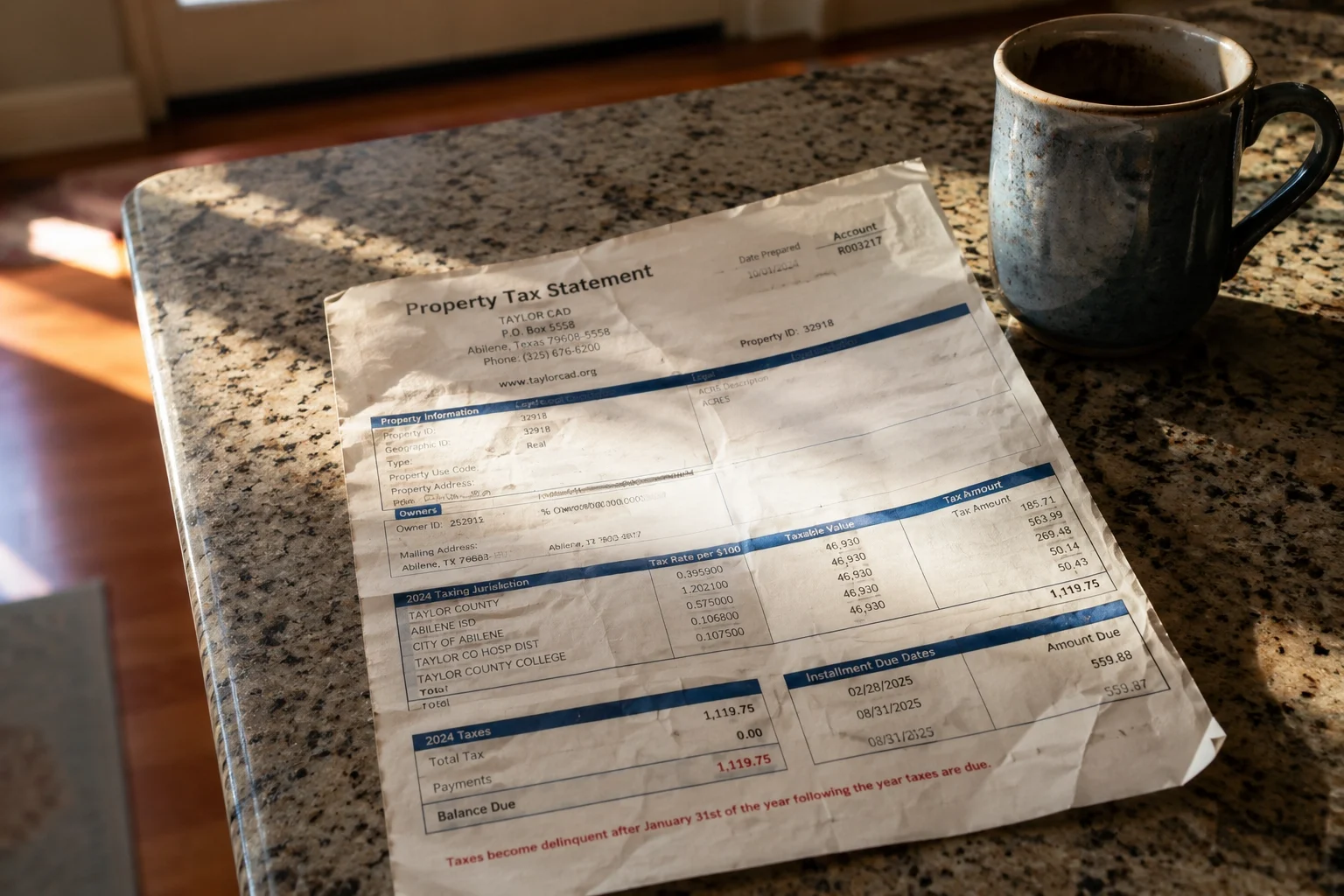
Most Texas land that changes hands by inheritance changes hands across state lines. The parent or grandparent who owned it lived in Texas. The heir lives in Atlanta, or Brooklyn, or Phoenix, or somewhere that is not a reasonable drive from the parcel. The probate clears. The deed transfers. And then the heir is suddenly the owner of acreage they have never personally walked, paying a Texas property tax bill they did not budget for, on land that produces no income and serves no use they have figured out yet.
This guide is for you. It explains the Texas probate process for inherited rural land — what the Texas Estates Code actually requires, how long the typical timeline runs, what the practical options are when there are multiple heirs, and why a direct cash sale to Sell Land usually closes faster than the traditional listing route and works entirely remotely so you do not have to fly to Texas.
How Texas Probate Actually Works for Rural Land
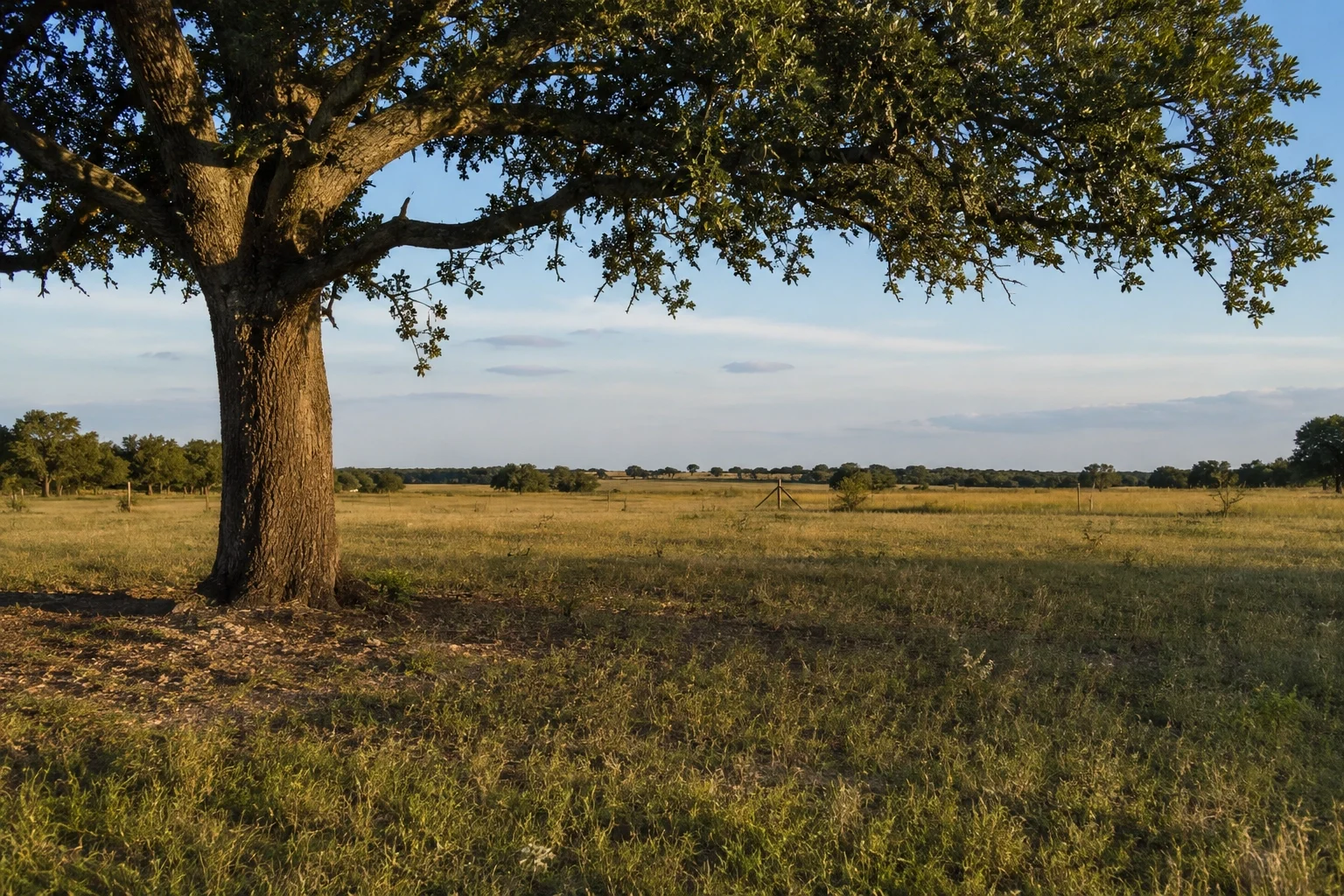
the parent or grandparent lived in Texas, the heir lives somewhere else.
Sell Land’s process is built for out-of-state heirs, with remote
closing under Texas Government Code Chapter 406.
Texas probate is governed by the Texas Estates Code, principally Chapters 256 (probate of wills) and 251 (intestate succession when there is no will). The process begins when an interested party — usually the named executor or a surviving family member — files an application to probate the will (or, when there is no will, an application to determine heirship) in the county probate court of the county where the deceased lived. After the statutory waiting period, the court holds a hearing, admits the will to probate, and issues letters testamentary to the executor.
For straightforward Texas probates with no contested heirship and no major creditor issues, the timeline from filing to letters testamentary typically runs four to twelve weeks. Once letters issue, the executor has authority to act on behalf of the estate — including selling estate real estate under the will’s grant of power, or under court order if the will is silent. The full estate administration commonly closes within nine to fifteen months. During that window, the executor’s responsibilities include paying the property tax bills as they arrive, maintaining insurance on the parcel, and dealing with any encroachment, trespass, or boundary questions that surface on rural acreage.
Real Experiences From Land Sellers Across United States

Jay Shultz

“Selling land is a different beast than selling a house. It was so refreshing to find out that Bob at Sell Land was super knowledgeable and had me covered in every way. He understands the nuances of buying land and also my unique needs. He is great to work with and if you have land you want to sell, Sell Land is the company and Bob is the man“

David M.
“Bob is a young man with a vision and aptitude for recognizing opportunities. He implements a plan and creates a winning situation for his clients. Bob continues to touch people’s lives based on their objectives with real estate. If you are entering the market as a seller, I could not recommend anyone more qualified or dedicated than Bob Scott.”
Multiple Heirs — The Most Common Complication
Most inherited Texas rural land transfers to multiple heirs as tenants in common. Each heir owns an undivided fractional interest in the entire parcel — not a specific portion of it. Any sale requires the signatures of every heir on the deed at closing. This is where many family land situations stall. One sibling lives in Houston and wants to keep the land in the family. Another lives in Florida and wants to sell. A third lives in Texas and has been carrying the annual property tax bill out of personal funds for three years. The disagreement is the obstacle, not the land.
A written cash offer for a specific dollar amount and a specific closing date often resolves the deadlock. The offer is no longer an abstract position any sibling is holding against the others — it is a single decision that all the heirs react to together. They can accept it or reject it as one decision. The proceeds are split per the will or per Texas intestate succession rules under Texas Estates Code Chapter 201, with each heir receiving the same per-share amount at closing through the title company. Sell Land has worked with multi-heir Texas estates dozens of times and writes the offer directly to the estate, not to one heir over another.
Selling Inherited Texas Land From Out of State
Most heirs of Texas rural land live outside Texas. The traditional listing path assumes the seller is local — available for showings, available for surveyor appointments, available for inspection-objection negotiations. Out-of-state heirs typically cannot give a year of weekends to a Texas land listing without burning meaningful vacation time and travel expense. Even a cooperative real estate agent cannot fully shield the heir from the operational load.
Sell Land’s process is built for out-of-state heirs. The offer is presented in writing by email. The contract is signed electronically. Texas permits remote notarisation under Texas Government Code Chapter 406, which means the closing documents can be notarised by a Texas-licensed online notary regardless of where the heir is sitting. The cash proceeds wire to the heir’s account at closing through the title company. The deed records at the Texas county clerk’s office automatically. The entire transaction can complete without the heir ever flying to Texas — and for many heirs the only Texas-side question they actually need answered is which title company will handle the closing.
Why a Cash Sale Is Specifically Well-Suited to Inherited Texas Land
The traditional listing route on inherited Texas rural acreage runs into three structural problems that the cash sale collapses. First, vacant-land agents charge 6 to 10 percent commission and the typical Texas vacant-land listing sits longer than the typical Texas house listing — often six to eighteen months before closing. Second, the buyer who eventually appears in a traditional listing often expects a survey, an inspection (yes, on vacant land — for soil, drainage, access, environmental questions), and a financing-contingency period that adds another sixty to ninety days. Third, every month the listing sits is another month of property tax accumulating on land that produces no income.
A direct cash sale to Sell Land closes in two to four weeks from offer acceptance. Sell Land buys with our own funds — no financing contingency, no buyer-side appraisal contingency, no inspection-objection period. The number on the written offer is the number that funds at closing. The same-day cash deposit at offer acceptance is a tangible commitment device that proves we are not a wholesaler tying up the property hoping to find an end buyer later. Twenty years of land-specific experience means we have closed on inherited Texas estates with title questions, easement complications, missing surveys, and family conflict — and we have not walked away from one yet.
Get a Written Offer to the Estate This Week
Whether the probate is still pending, just completed, or wrapped up a year ago, a written cash offer to the estate this week is information. The offer is not a commitment to sell. Once the heirs can see the number, they can decide together — on their timeline, with the family, without the Texas property tax meter running in the background — whether the cash sale path is better than the alternative. Same-day deposit at acceptance. Twenty years. Direct buyer.