
You own Texas land you do not use. The annual property tax bill keeps arriving.
Maybe it is east Texas pine acreage your father left you. Maybe it is a hill country lot outside Fredericksburg you bought in 2011 for a retirement build that did not happen. Maybe it is twenty-two acres of west Texas scrubland an uncle deeded to you fifteen years ago that you have visited twice. What it is not, anymore, is a property anyone is using — and every year the county assessor sends a tax bill that has to be paid out of pocket on land that produces no income.
This guide is for you. It explains what the actual Texas vacant-land market looks like in 2026, what the agricultural and timber tax exemptions under Texas Tax Code Chapter 23 do and do not cover for absentee owners, why the traditional listing route through a real estate agent typically costs more than vacant-land sellers expect, and what working with Sell Land — Bob and Carly Scott, in business twenty years, headquartered in St. Louis and buying vacant land in all fifty states — actually looks like from the seller’s side of the table.
What the Texas Land Market Actually Looks Like in 2026
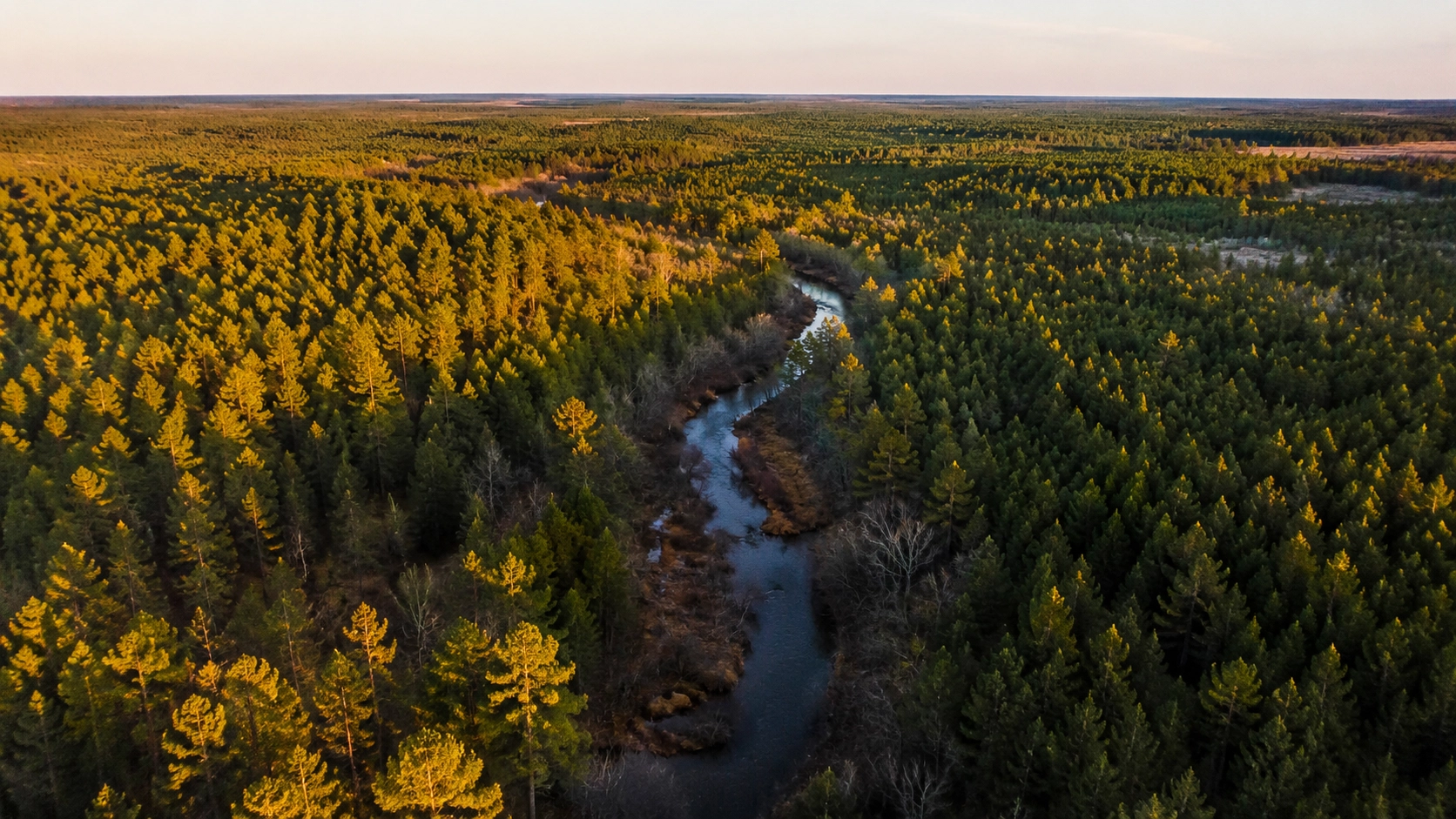
Texas is the largest vacant-land market in the United States by every measure. There are more than 82,000 vacant-land parcels actively listed on the major land platforms at any given time, and the off-market inventory of unlisted parcels is several times that number. The Texas A&M Real Estate Research Center divides the state into seven Regions for rural land tracking, and price per acre varies dramatically — from roughly $2,500 per acre in the western and panhandle regions to $7,000 or more per acre in the corridor between Austin, San Antonio, and Houston. Statewide median size of a typical rural transaction has settled in the 90 to 100 acre range, but smaller hill country and east Texas parcels of 5 to 30 acres make up a substantial share of seller calls.
Demand is real but selective. The Texas rural land market has cooled from its 2021 peak — annual sales volume has slipped modestly year over year — but pricing remains strong because supply is structurally constrained. The result is a market where the right parcel sells quickly to a qualified buyer, and the wrong parcel sits indefinitely. Vacant Texas land with title questions, easement complications, no road frontage, or the absence of a recent survey is exactly the kind of inventory that sits longest on traditional listings — and it is exactly the inventory Sell Land buys directly.
Real Experiences From Land Sellers Across United States

Jay Shultz

“Selling land is a different beast than selling a house. It was so refreshing to find out that Bob at Sell Land was super knowledgeable and had me covered in every way. He understands the nuances of buying land and also my unique needs. He is great to work with and if you have land you want to sell, Sell Land is the company and Bob is the man“

David M.
“Bob is a young man with a vision and aptitude for recognizing opportunities. He implements a plan and creates a winning situation for his clients. Bob continues to touch people’s lives based on their objectives with real estate. If you are entering the market as a seller, I could not recommend anyone more qualified or dedicated than Bob Scott.”
The Texas Property Tax Math on Vacant Land — Why It Adds Up Faster Than Owners Expect
Texas does not levy a state income tax. It funds public services primarily through property tax, which is administered at the county level and runs higher than the national average. On vacant land, the absence of a homestead exemption means the owner pays the full assessed rate. A typical 20-to-40 acre east Texas or hill country parcel that has not been formally enrolled in an agricultural or timber exemption can carry an annual property tax bill of $1,500 to $5,000 or more. On larger parcels of 100+ acres, the bill can run $4,000 to $15,000 annually.
The Texas Tax Code Chapter 23 agricultural-use special appraisal (commonly called the “1-d-1 exemption”) and the Chapter 23 timber land special appraisal can reduce that tax bill substantially — sometimes by 80 percent or more. But the exemption requires the land to be actively used for agricultural or timber production for at least five of the previous seven years, requires the owner to apply formally with the county appraisal district, and requires ongoing maintenance of the qualifying use. Absentee owners who inherited the parcel and have not maintained the prior owner’s agricultural use frequently find that the exemption has lapsed — and that the property tax bill on inherited land is meaningfully higher than the prior owner ever paid.
The Real Cost of Listing Vacant Texas Land With an Agent
Most vacant Texas land sellers think the alternative to a cash sale is listing with a real estate agent for 6 percent. That number is often higher. Vacant land sales are widely considered specialised work — outside the everyday residential transaction — and agents who handle them typically charge 6 to 10 percent of the sale price as commission. On a $310,000 hill country parcel, that is $18,600 to $31,000 in commission before any other expense.
Then there are the other expenses. Seller-paid closing costs on a Texas land transaction typically run 1 to 2 percent. A current survey, often required by the buyer’s lender if the buyer is financing, can cost $1,200 to $4,000 depending on parcel size and complexity.
Marketing the listing — photography, drone footage, MLS placement, listing-platform syndication — adds another $500 to $2,500 depending on the agent. And the carrying-cost meter on the property tax continues to run for every month the listing sits. The total cost of the traditional listing route on a $310,000 vacant Texas parcel routinely consumes $25,000 to $50,000 before the seller sees a dollar of proceeds — and that assumes the parcel actually sells in 12 months, which many vacant Texas parcels do not.
What a Cash Sale With Sell Land Actually Looks Like
Three steps. Same-day cash deposit on offer acceptance. Direct buyer — Sell Land is not a wholesaler, and we close with our own funds. Twenty years of land-specific experience across all fifty states.
Step 3 — We close on your timeline and pay all closing costs. Most closings run two to four weeks from offer acceptance, but we work to your schedule. You do not pay agent commission. You do not pay seller-side closing costs. You do not pay for a new survey. The number on the written offer is the number that funds to your account at closing through the title company. The entire transaction can be completed remotely — Texas allows remote notarisation for real estate, and most out-of-state sellers never set foot in Texas during the process.
Step 1 — You send us your property details. Use the quick form below, or call Bob or Carly directly at (314) 639-9800. We will ask the basics — county, approximate acreage, parcel identification number if you have it, and how you came to own the land. Five minutes. We do not need photographs, surveys, or perfect records to make an offer. We do our own diligence after.
Step 2 — We send you a written cash offer within 24 hours. A real number, in writing, with no contingencies on financing or buyer-side inspection. The offer specifies the closing date range and explicitly identifies Sell Land as the end buyer — not a wholesaler tying up the property hoping to assign the contract to someone else. The moment you accept the offer, we deliver a same-day cash deposit through the title company. That deposit is your evidence that we are the buyer the contract says we are.
Read More About Your Specific Texas Situation
Texas vacant land sellers fall into three common patterns. We have written a dedicated guide for each one. Pick the one that matches your situation.
→ How to sell inherited Texas land — from probate to closing without the wait. For heirs navigating the Texas Estates Code probate process on rural acreage they did not ask for.
→ Absentee Texas landowner? Why selling now protects you from adverse-possession risk. Texas Civil Practice and Remedies Code § 16.026 lets neighbours claim absentee-owner land after ten years of open use. The cash sale converts an uncertain asset into a definite dollar amount.
→ Sell your rural Texas acreage without a realtor — direct cash sale explained. For owners who have tried the agent route and are ready for the direct buyer alternative.
Ready to See a Real Number on Your Texas Land?
One written offer. Same-day cash deposit when you accept. Twenty years of land-specific experience. Direct buyer — closing with our own funds, not searching for someone to assign the contract to. Whether the parcel is 5 acres in the hill country or 500 acres in the panhandle, whether it has been in the family for fifty years or you bought it last decade, the offer process is the same. We make it simple.
Contact Us Now And Get Your Free, Fair All-Cash Offer Today.